Modern art theory did not appear suddenly or develop in isolation. It is the result of centuries of artistic rebellion, intellectual questioning, cultural disruption, and philosophical evolution. Every major shift in how art is created, interpreted, and valued can be traced back to influential art movements that challenged existing norms. Understanding how art movements influence modern art theory allows us to see art not just as an object, but as an ongoing conversation between artists, thinkers, and societies. These movements reshaped how meaning is constructed, how beauty is defined, and how viewers engage with visual culture. Modern art theory is therefore not a fixed system but a layered framework built upon the ideas, conflicts, and breakthroughs of transformative artistic eras.
Understanding the Roots of Modern Art Theory
Modern art theory emerged from a deep dissatisfaction with traditional academic standards that prioritized technical perfection, realism, and historical themes. As societies industrialized and philosophical thinking evolved, artists began questioning whether art should simply imitate reality or respond to lived experience. Art movements influence theoretical thinking by redefining purpose, intention, and interpretation. Early theorists started to see art as a reflection of social change, personal expression, and intellectual inquiry rather than decorative craft. This shift laid the foundation for modern theory, where context, symbolism, and viewer perception became as important as form and technique.
The Break from Tradition That Changed Artistic Thinking
The most profound transformation in art theory occurred when artists deliberately rejected classical rules. This break from tradition challenged the idea that artistic value depended on mastery of perspective, proportion, and realism. Instead, artists began prioritizing innovation, experimentation, and conceptual depth. Art movements influence theory by redefining what counts as art and who gets to decide its value. This rejection of academic authority encouraged theorists to focus on intention, originality, and emotional resonance.
The Role of Individual Expression in Early Theory Formation
Individual expression became a cornerstone of modern art theory as artists asserted their personal vision over collective tradition. The idea that art could express internal emotion, psychological states, or personal ideology radically changed how works were analyzed. Theorists began asking not just what is depicted, but why it is depicted and what the artist intends to communicate. This emphasis on individuality influenced critical frameworks that prioritize subjectivity, authenticity, and emotional truth. Expert insight suggests that this shift legitimized diverse artistic voices and allowed art theory to evolve beyond rigid evaluative systems into interpretive and contextual analysis.
Impressionism and the Redefinition of Visual Experience
Impressionism played a pivotal role in reshaping modern art theory by shifting focus from objective representation to perceptual experience. Rather than painting reality as it exists, Impressionist artists sought to capture fleeting moments, changing light, and atmospheric conditions. This movement challenged the idea that art must be precise or complete. Art movements influence theory here by emphasizing perception over accuracy and experience over narrative.
From Objective Reality to Subjective Interpretation
By prioritizing subjective perception, Impressionism redefined how reality is understood in art. The movement suggested that reality is not fixed but filtered through human experience. This idea profoundly influenced modern art theory, which now recognizes the viewer’s role in constructing meaning. Theorists began analyzing how color, brushwork, and composition shape emotional response rather than factual representation.
Cubism and the Intellectualization of Visual Form
Cubism marked a radical departure from traditional visual representation by fragmenting objects into multiple viewpoints. This movement transformed modern art theory by introducing intellectual analysis as a primary mode of interpretation. Art movements influence theory through Cubism by asserting that art does not need to mirror reality but can reconstruct it conceptually. The focus shifted from what is seen to how it is constructed. Theorists began emphasizing structure, form, and spatial relationships over narrative content.
How Cubism Changed the Language of Art Analysis
Cubism introduced a new critical vocabulary centered on geometry, composition, and spatial organization. Art theory adopted analytical frameworks that treated artworks as systems rather than images. This approach influenced later movements and academic discourse, encouraging close visual analysis and structural interpretation.
Surrealism and the Expansion of Psychological Theory in Art
Surrealism expanded modern art theory by integrating psychology, dreams, and the unconscious mind into artistic practice. This movement rejected rational control in favor of automatic creation and symbolic imagery. Art movements influence theory here by shifting focus inward, emphasizing inner reality over external observation. Surrealism encouraged theorists to explore symbolism, metaphor, and subconscious desire as key interpretive tools.
Freudian Influence on Artistic Interpretation
Surrealist theory drew heavily from Freudian psychoanalysis, introducing concepts such as repression, desire, and dream symbolism into art criticism. Theorists began interpreting artworks as expressions of unconscious thought rather than deliberate messages. This approach enriched modern art theory by allowing deeper psychological readings and expanding interpretive possibilities.
Abstract Expressionism and the Theory of Emotional Authenticity
Abstract Expressionism redefined modern art theory by placing emotion and gesture at the center of artistic meaning. This movement rejected recognizable imagery, focusing instead on spontaneous expression and physical engagement with the medium. Art movements influence theory by proposing that the act of creation itself carries meaning. The artwork became a record of emotional intensity rather than a visual narrative.
Action Painting and the Artist as Subject
Action painting emphasized movement, scale, and physical interaction, transforming the artist into the work’s subject. This idea reshaped modern art theory by blurring the boundary between artwork and performance. Critics began interpreting paintings as events rather than objects. Expert insight suggests that this shift influenced later conceptual and performance art by validating process-based practices within theoretical discourse.
Postmodern Movements and the Challenge to Unified Theory
Postmodern art movements disrupted the idea that art theory could offer universal truths or stable meanings. These movements embraced contradiction, irony, and fragmentation, challenging modernist ideals of progress and originality. Art movements influence theory here by questioning authority and destabilizing grand narratives. Theorists began focusing on context, power structures, and cultural influence, recognizing that meaning is shaped by social and political conditions rather than inherent qualities.
Deconstruction, Irony, and Cultural Critique
Postmodern theory introduced deconstruction as a method for analyzing hidden assumptions and contradictions within artworks. Irony and parody became tools for critique rather than stylistic choices. Modern art theory expanded to include media studies, gender theory, and cultural analysis. Experts emphasize that this pluralistic approach reflects the complexity of contemporary society and resists singular interpretations.
Global and Non-Western Movements Reshaping Modern Theory
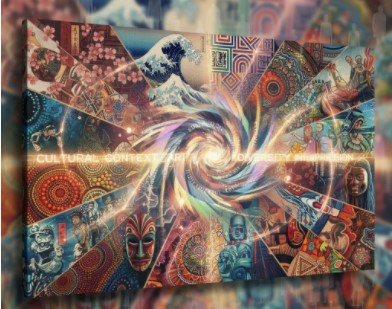
As global perspectives gained visibility, modern art theory evolved beyond Eurocentric frameworks. Art movements influence theory by incorporating Indigenous, African, Asian, and Latin American traditions that challenge Western assumptions about aesthetics and meaning. These movements emphasize collective identity, spiritual symbolism, and historical continuity.
Decolonizing Art Theory Through Diverse Perspectives
Decolonization has become a critical focus within modern art theory. Scholars now examine how colonial power shaped artistic valuation and representation. By integrating non-Western perspectives, theory becomes more inclusive and reflective of global creativity. Expert insight highlights that this shift enriches interpretation by acknowledging cultural specificity and historical context rather than imposing universal standards.
Frequently Asked Questions
Which art movement had the greatest influence on modern art theory?While many movements contributed, Impressionism, Cubism, and Abstract Expressionism had the most significant impact by redefining perception, structure, and emotional expression.
How do art movements influence modern art theory today?They provide conceptual frameworks that guide interpretation, critique, and analysis across contemporary artistic practices.
Why is modern art theory important for understanding art?Modern art theory explains how meaning is constructed, helping viewers engage critically rather than passively with artworks.
Is modern art theory still evolving?Yes, it continues to evolve as new movements, technologies, and cultural perspectives emerge.
Can art be understood without theory?Art can be enjoyed visually, but theory deepens understanding by revealing context, intention, and cultural significance.