Art is not merely a visual experience; it is a complex language that communicates emotions, thoughts, and cultural narratives. At the heart of this language lies an understanding of three fundamental components: color, composition, and form. These elements are the building blocks of art theory and serve as essential tools for artists to convey their intended messages effectively. In this blog post, we will delve into why understanding color, composition, and form is crucial in art theory, exploring their impact on artistic expression and viewer perception.
The Power of Color in Art
Color is one of the most immediate and impactful elements in art. It can evoke emotions, create atmosphere, and even influence behavior. Understanding color theory not only enhances an artist’s ability to create but also enriches the viewer’s experience.
The Emotional Impact of Color
Colors have profound psychological effects. For example, warm colors like reds and oranges can evoke feelings of warmth, excitement, or even aggression, while cool colors like blues and greens tend to create a sense of calmness and tranquility. Research from the field of color psychology suggests that colors can significantly influence mood and decision-making.
Real-Life Example Consider the famous painting “The Scream” by Edvard Munch. The bold use of color in the sky, fiery reds and yellow,s contrasts sharply with the cooler tones of the figure, intensifying the emotional distress portrayed in the artwork. This use of color exemplifies how artists can manipulate hues to convey deeper emotions.
Understanding Color Theory
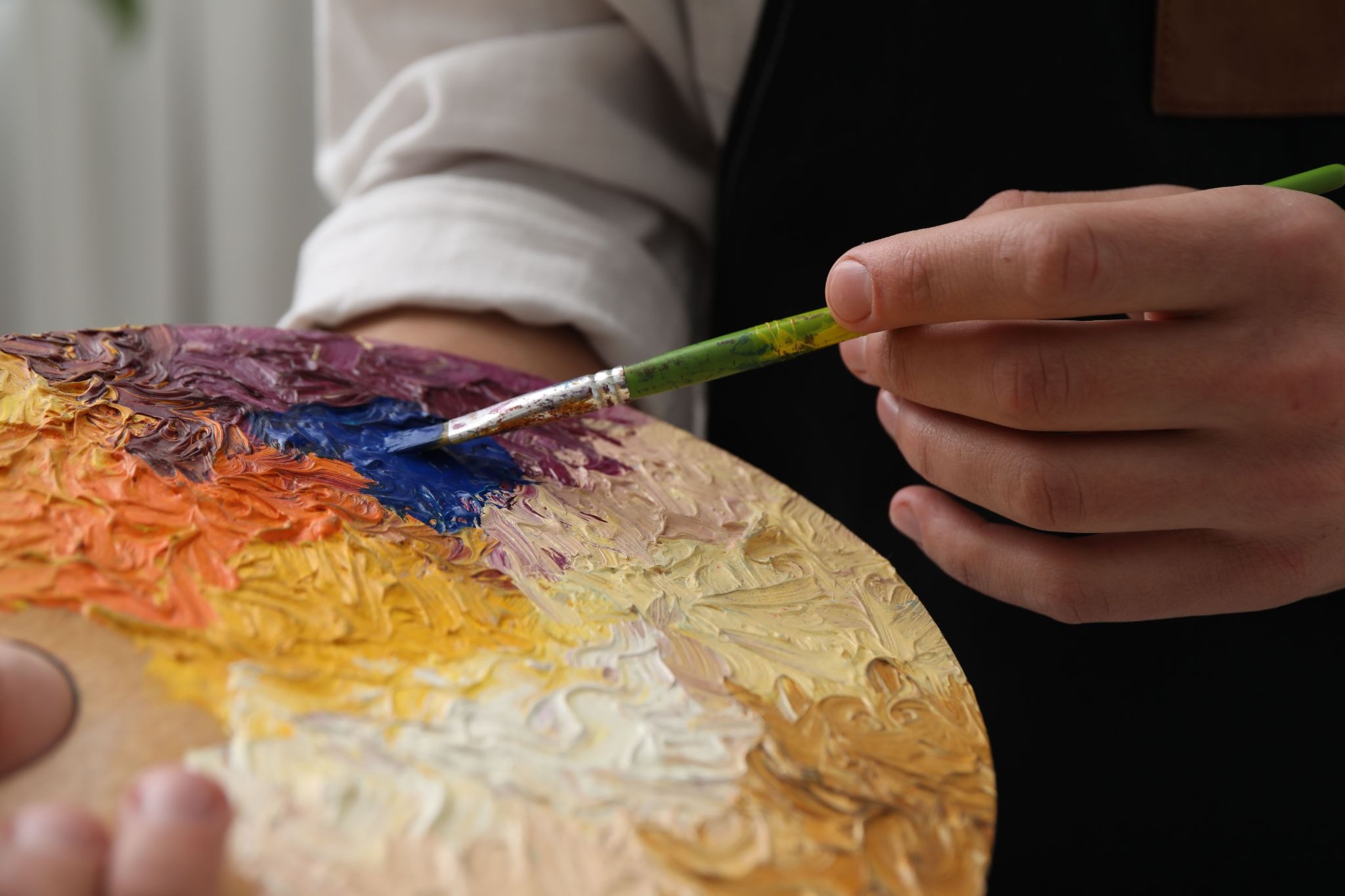
Color theory encompasses the principles that guide the use of color in art. This includes the color wheel, which categorizes primary, secondary, and tertiary colors, and the relationships between them.
-
Primary Colors: Red, blue, and yellow, which cannot be created by mixing other colors.
-
Secondary Colors: Green, orange, and purple, formed by mixing primary colors.
-
Tertiary Colors: Created by mixing primary and secondary colors.
Artists utilize these relationships to create color harmonies. For instance, complementary colors, those opposite each other on the color wheel, can create striking contrasts that draw the viewer’s attention.
Practical Application of Color in Art
An artist’s understanding of color can significantly affect their work’s emotional and aesthetic quality. For instance, in impressionist paintings, artists like Claude Monet often used color to capture the essence of light and atmosphere rather than focusing on precise details. His series of “Water Lilies” demonstrates how color can evoke mood and movement, allowing the viewer to experience the scene rather than merely observe it.
The Importance of Composition
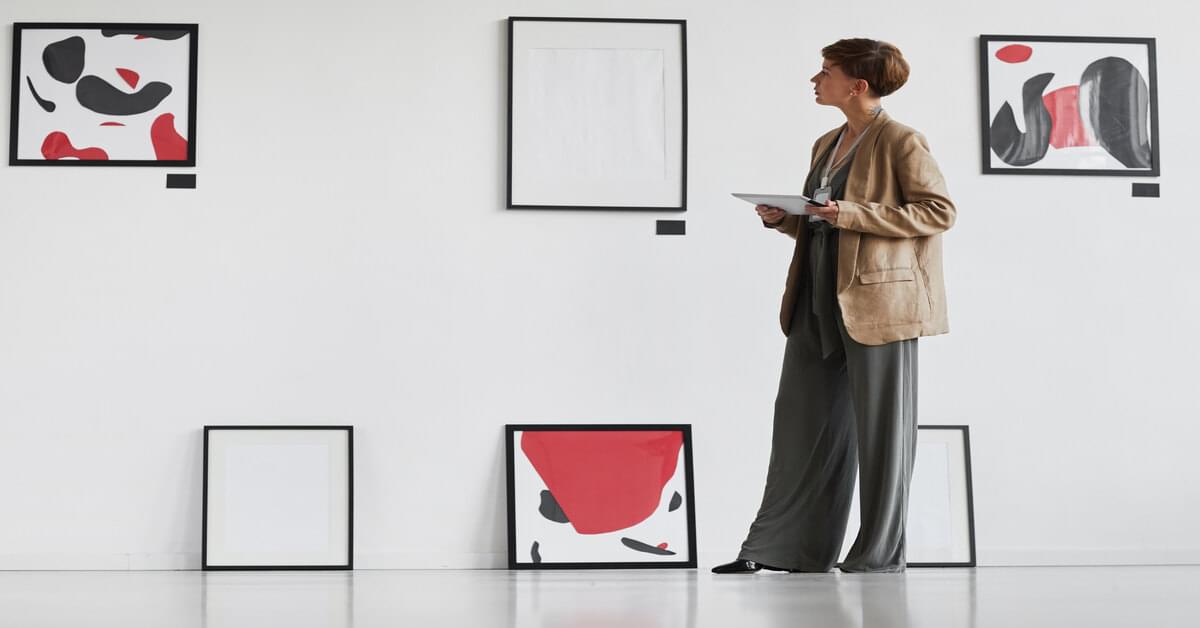
Composition refers to the arrangement of elements within a work of art. It plays a crucial role in guiding the viewer’s eye and creating a sense of balance and harmony. A well-composed artwork can evoke specific emotions and responses, while a poorly composed piece may leave the viewer feeling disoriented or disconnected.
Principles of Composition
Several principles govern effective composition:
Balance Balance refers to the distribution of visual weight in a piece. Artists can achieve balance through symmetrical arrangements, which provide a sense of stability, or asymmetrical arrangements, which can create dynamic tension.
Contrast Contrast involves using differing elements to create interest. This can be achieved through variations in color, shape, or texture. For example, a bright object against a dark background can draw attention and create a focal point.
Rhythm Rhythm in art refers to the repetition of elements to create a sense of movement. Artists often use rhythm to guide the viewer’s eye through the artwork, creating a visual flow that enhances engagement.
Unity Unity is the principle that ensures all elements in a piece work together cohesively. A unified composition provides clarity and helps convey the artist’s intended message.
The Role of Form in Art
Form refers to the three-dimensional quality of an object and is a crucial aspect of visual perception in art. While two-dimensional artworks rely on techniques such as shading and perspective to suggest form, three-dimensional forms are tangible and can be experienced from multiple angles.
Understanding Form
In art, form is often categorized into two types: geometric and organic. Geometric forms are precise and structured, often found in architecture and abstract art, while organic forms are more fluid and natural, resembling shapes found in nature.
Practical Application of Form
Artists utilize various techniques to convey form in their work. In painting, techniques such as chiaroscuro (the use of strong contrasts between light and dark) can create the illusion of volume. In sculpture, artists manipulate materials to create tangible forms that can be viewed and interacted with from different perspectives.
The Interconnectedness of Color, Composition, and Form
While color, composition, and form are distinct elements, they are deeply interconnected. Each element influences and enhances the others, creating a holistic experience that is greater than the sum of its parts.
How Color Influences Composition
Color can significantly affect composition. For example, warm colors tend to advance in space, while cool colors recede. An artist can use this knowledge strategically to create depth and guide the viewer’s eye through the composition.
The Role of Composition in Enhancing Form
Composition also plays a crucial role in how form is perceived. A well-composed piece can emphasize the three-dimensional quality of forms, making them feel more tangible and engaging.
Example in Practice In the sculpture “David” by Michelangelo, the careful arrangement of the figure’s pose and the use of negative space enhance the sense of form and physicality. The composition draws the viewer’s eye around the sculpture, allowing for a full appreciation of its three-dimensional qualities.
Practical Steps to Mastering Color, Composition, and Form
For aspiring artists, mastering color, composition, and form is essential for effective artistic expression. Here are some practical steps to enhance your understanding:
Experiment with Color
Start by creating a color wheel and experimenting with color mixing. Explore how different colors interact with one another and practice using color to evoke specific emotions in your artwork.
Analyze Compositions
Study the compositions of renowned artists. Analyze how they utilize balance, contrast, and rhythm in their work. Try recreating their compositions to understand their techniques better.
Practice Form
Engage in life drawing or sculpture to develop your understanding of form. Focus on observing how light interacts with different surfaces and practice creating depth through shading and perspective.
Seek Feedback
Join art communities, both online and offline, where you can share your work and receive constructive feedback. Engaging with fellow artists can provide valuable insights and help you grow.
Conclusion
Understanding color, composition, and form is crucial in art theory and practice. These elements serve as the foundation for artistic expression, allowing artists to convey emotions, create engaging narratives, and connect with viewers on a deeper level. By mastering these components, artists can enhance their work’s emotional impact and aesthetic quality, ultimately enriching the art experience for themselves and their audience. As you embark on your artistic journey, remember that the exploration of color, composition, and form is not just about technique; it is about discovering your unique voice and sharing it with the world.
FAQs
Why is color important in art? Color plays a critical role in evoking emotions and setting the mood of a piece. Understanding color theory helps artists communicate effectively through their work.
How does composition affect my artwork? Composition guides the viewer’s eye and creates balance. A well-composed piece can enhance emotional engagement and convey a clear narrative.
What is the significance of form in art? Form adds depth and dimension to artwork. Understanding form allows artists to create realistic representations and engage viewers on a three-dimensional level.