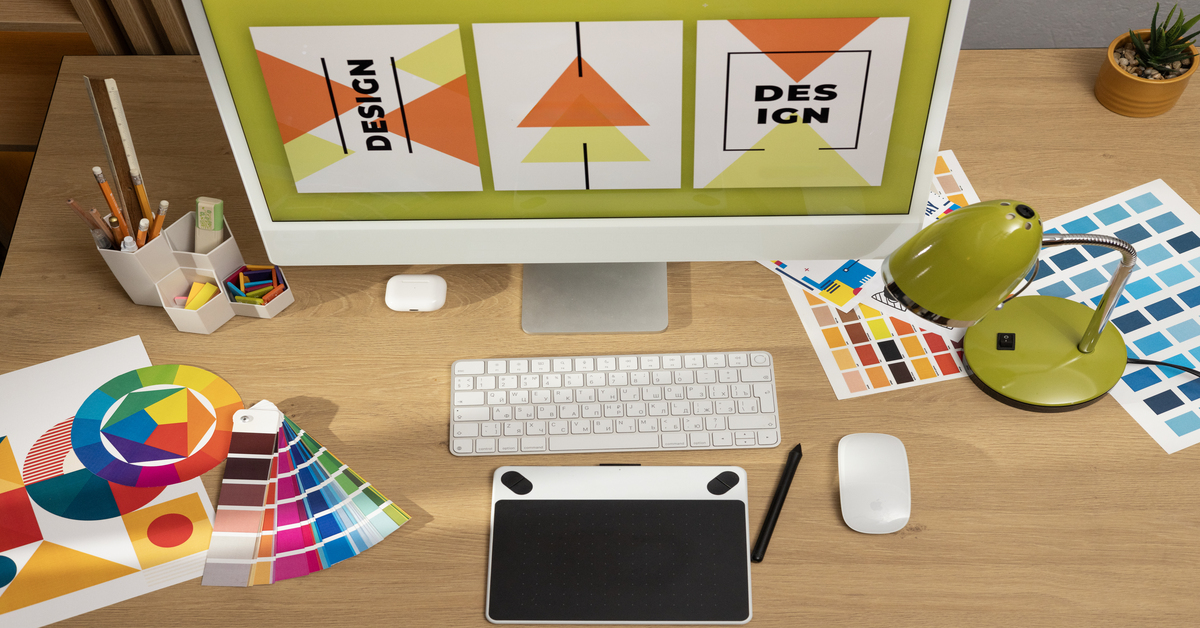
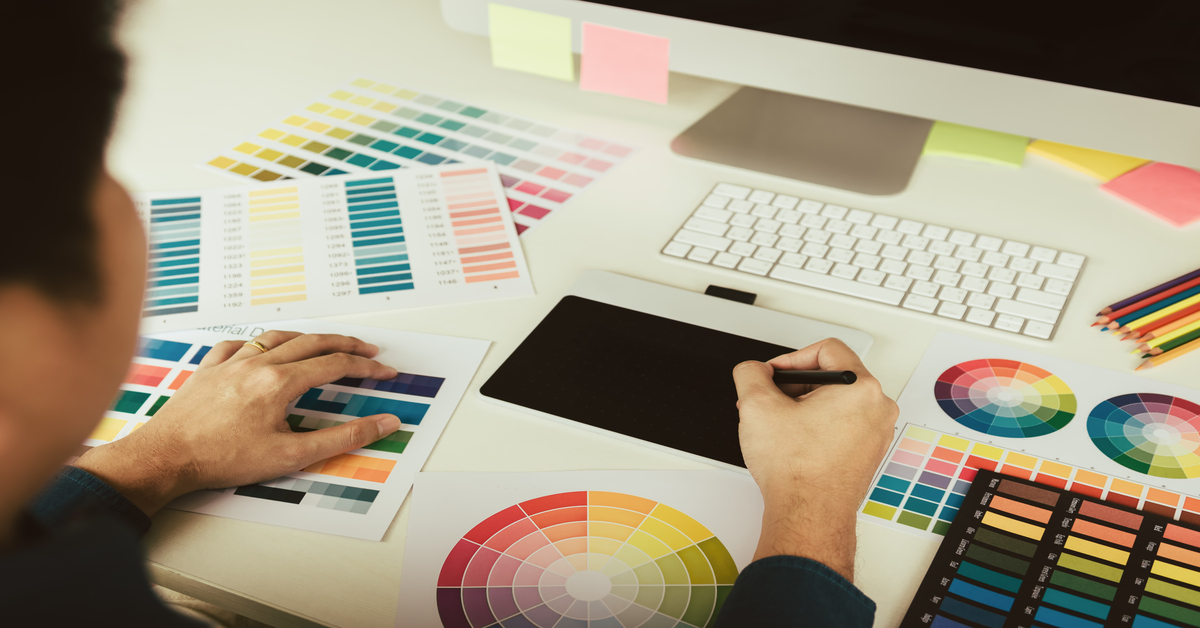
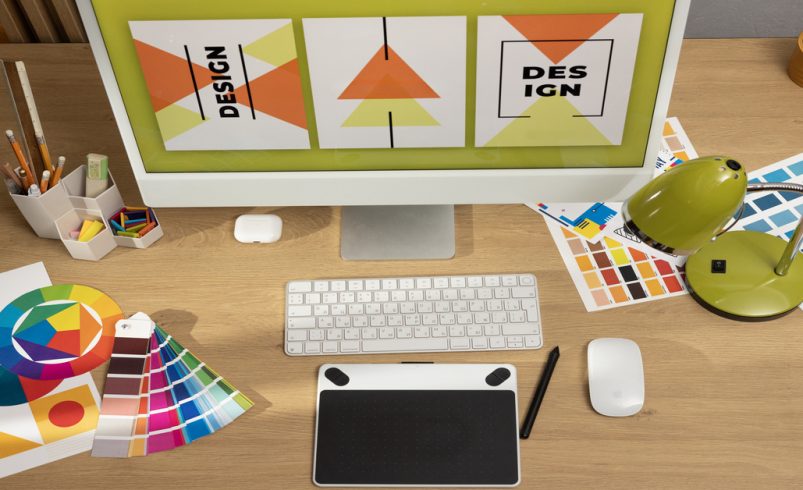
Graphic design is the art and practice of creating visual content to communicate ideas and messages effectively. It combines creativity with strategy, turning concepts into images, layouts, and designs that resonate with audiences. From logos, business cards, and posters to websites, social media graphics, and app interfaces, graphic design shapes how people perceive brands, products, and services. Its role extends beyond aesthetics; it is a fundamental part of branding, marketing, and user experience that can influence trust, engagement, and business growth.
In a world where attention spans are short and competition is fierce, graphic design plays a critical role in grabbing and holding attention. Studies show that people form judgments about a company or product within seconds based solely on visual design. Poor visuals can deter potential customers before they engage with content, while compelling design communicates professionalism, reliability, and quality instantly.
Understanding Graphic Design: Definition and Core Concepts
Graphic design is more than arranging text and images; it is about visual storytelling. Every choice—from color, typography, and spacing to imagery and composition—affects how a message is received. Good design creates clarity, evokes emotion, and reinforces brand identity. Businesses that understand these fundamentals can use design to connect with their target audience in meaningful ways.
Key Elements of Graphic Design
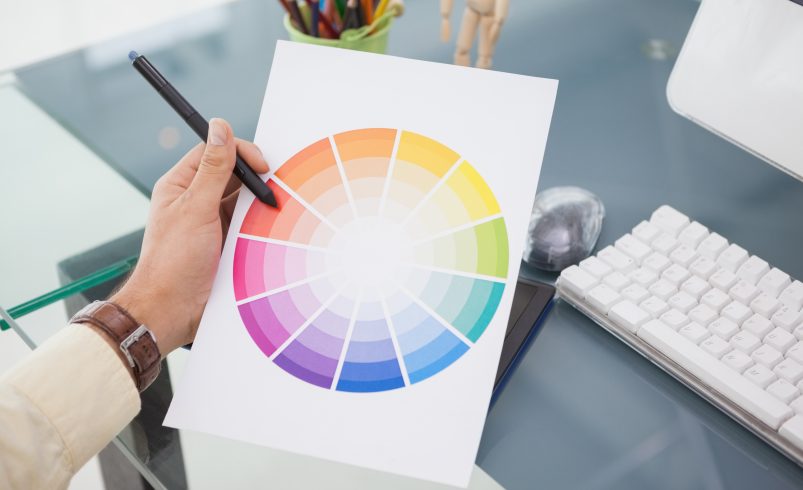
The foundation of graphic design lies in five key elements: color, typography, imagery, layout, and composition. Color evokes emotion and creates associations, while typography sets tone and hierarchy. Imagery communicates ideas quickly and can add depth, while layout and composition ensure the content is organized and aesthetically balanced. Mastering these elements allows both beginners and professionals to craft designs that communicate effectively and attractively.
Principles of Effective Design
Effective design is guided by principles such as balance, contrast, hierarchy, alignment, and consistency. Balance ensures visual stability, while contrast draws attention to key elements. Hierarchy guides viewers through content in a logical flow, alignment creates order, and consistency maintains brand identity. Understanding these principles is crucial for creating designs that are both visually appealing and functional, making them essential skills for anyone entering or advancing in the field.
The Evolution of Graphic Design
Graphic design has evolved dramatically over the decades, reflecting technological advances and changing consumer expectations. Originally rooted in print media—magazines, posters, billboards—it has transformed into a digital-first discipline encompassing web design, mobile apps, social media graphics, and interactive experiences. This evolution demonstrates the adaptability and ongoing relevance of graphic design in the modern business landscape.
From Print to Digital Design
The transition from print to digital introduced new challenges and opportunities. Designers now consider screen resolutions, responsive layouts, and interactive elements. Digital platforms allow for dynamic content, animation, and real-time updates, which were impossible in static print. Designers who embrace these digital tools can reach wider audiences, enhance engagement, and measure the impact of their work more accurately.
Emerging Trends and Tools
Modern graphic design is influenced by tools like Adobe Creative Suite, Figma, Sketch, and Canva, as well as AI-powered design software that automates repetitive tasks. Motion graphics, 3D design, immersive experiences, and augmented reality are gaining prominence, enabling brands to create captivating, interactive content. Staying abreast of these trends ensures designers remain competitive and effective, whether working in agencies, startups, or large corporations.
The Role of Graphic Design in Business and Marketing
Graphic design is integral to business success, playing a central role in marketing, branding, and communication. A visually cohesive brand inspires trust, reinforces identity, and enhances customer experience. Companies that invest in professional design see higher engagement, stronger brand loyalty, and improved conversion rates compared to those with inconsistent or amateur visuals.
Enhancing Brand Identity
Brand identity is the visual representation of a company’s values, mission, and personality. Graphic design creates logos, color schemes, typography, and visual guidelines that make a brand instantly recognizable. Well-designed branding elements foster recognition and loyalty, helping businesses stand out in competitive markets. Iconic brands like Apple, Nike, and Coca-Cola illustrate the power of consistent design in reinforcing brand equity.
Driving Engagement Through Visual Content
Visual content captures attention and communicates messages quickly. Infographics, social media posts, email templates, and advertisements rely on graphic design to engage audiences effectively. Strategically designed visuals not only attract attention but also increase comprehension and retention of information. In a crowded digital space, strong design can be the difference between content that is ignored and content that drives meaningful interactions.
Getting Started with Graphic Design: Tips for Beginners
For beginners, entering the world of graphic design can seem overwhelming, but with structured learning and practice, it becomes manageable and rewarding. Start by understanding the foundational elements and principles, then progressively explore tools and techniques that expand your capabilities.
Essential Tools and Software
Beginners should start with accessible tools like Canva for basic designs, then progress to professional software such as Adobe Illustrator, Photoshop, and Figma for more complex projects. These tools allow for experimentation and skill-building while providing industry-standard capabilities that prepare learners for professional work.
Learning Resources and Courses
Online courses, video tutorials, and design communities are valuable resources. Platforms like Coursera, Udemy, Skillshare, and YouTube offer comprehensive lessons from beginner to advanced levels. Practicing with real-world projects, participating in design challenges, and seeking feedback from experienced designers accelerates skill development and builds confidence.
Advanced Graphic Design Techniques for Professionals
Professional designers refine their craft through advanced techniques, focusing on scalability, consistency, and innovation. Mastering different mediums, user experience considerations, and workflow optimization distinguishes professionals from beginners.
Designing for Different Mediums
Design requirements vary by medium. Print design demands attention to resolution, color profiles, and layout, whereas digital design emphasizes interactivity, responsive layouts, and screen adaptability. Professionals learn to tailor their design principles to each medium, ensuring effectiveness across platforms.
Leveraging User Experience (UX) Principles
Integrating UX principles with design improves usability, accessibility, and satisfaction. Professionals consider navigation flow, readability, visual hierarchy, and accessibility standards to enhance interactions. Combining aesthetic appeal with functional design results in higher engagement and conversion rates.
Common Mistakes in Graphic Design and How to Avoid Them
Mistakes in graphic design can undermine the effectiveness of visuals. Common errors include inconsistent branding, overloading designs with elements, ignoring audience needs, and neglecting accessibility. Avoiding these pitfalls requires adherence to design principles, regular feedback, and user-centered approaches. Professionals emphasize that iteration and testing are key to producing effective and impactful designs.
Future of Graphic Design: What to Expect
The future of graphic design is shaped by technology and evolving consumer expectations. AI-assisted tools, motion graphics, interactive content, 3D modeling, and immersive media will redefine standards. Designers must adapt to these innovations while maintaining creative judgment, strategic thinking, and a strong understanding of human perception. Continuous learning and experimentation will remain critical for success in this dynamic field.
Closing Thoughts
Graphic design is both a creative art and a strategic business tool. It empowers beginners to communicate ideas visually and enables professionals to craft sophisticated, impactful campaigns that drive engagement, trust, and revenue. Whether for personal projects or corporate branding, mastering design principles and staying current with trends is essential for long-term success and professional growth.
FAQs
What is the most important skill for a beginner in graphic design?
Understanding design principles, color theory, and typography is crucial. These fundamentals allow beginners to create visually appealing and effective designs while building a foundation for advanced techniques.
How can professionals stay ahead in the evolving graphic design field?
Continuous learning, exploring emerging tools like AI-powered design software, motion graphics, 3D design, and participating in professional communities helps designers stay current and competitive.
Why is graphic design essential for businesses?
Graphic design enhances brand identity, strengthens visual communication, and improves user experience. Strategic design increases engagement, trust, and conversions, directly impacting business growth and credibility.