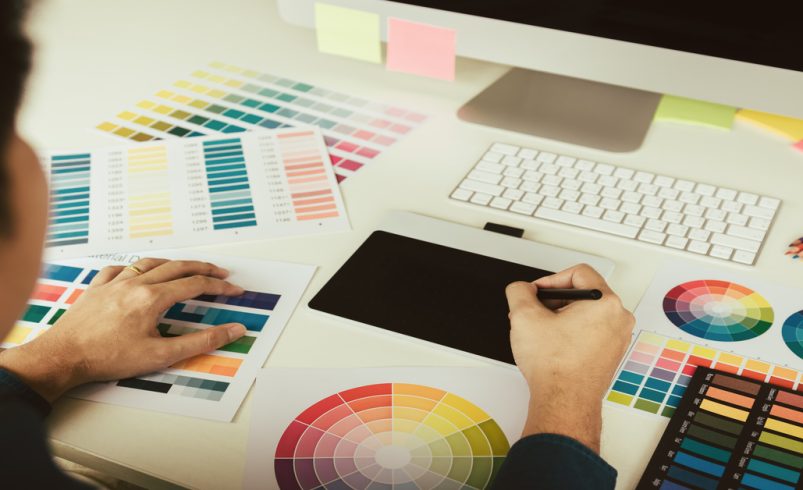
Graphic design is the art and practice of creating visual content that communicates messages effectively, engages audiences, and enhances brand identity. From logos, brochures, and business cards to digital assets like websites, social media posts, and app interfaces, graphic design shapes how people perceive and interact with a business. It plays a pivotal role in conveying a brand’s values, professionalism, and vision. For businesses, strong graphic design is more than aesthetics; it is a strategic tool that can influence customer perception, trust, and decision-making, ultimately impacting revenue and market positioning.
In today’s crowded digital environment, first impressions can determine the fate of a potential customer. According to research by the Stanford Persuasive Technology Lab, users form judgments about credibility in less than two-tenths of a second based purely on visual design. This shows that high-quality, thoughtful design is essential to capture attention and keep audiences engaged. Poor design can cause potential customers to leave a website, scroll past social media content, or dismiss marketing materials, while cohesive, professional visuals can inspire confidence, strengthen relationships, and encourage conversions.
Understanding the Role of Graphic Design in Business
Graphic design is not merely about making content look attractive; it is a core component of brand strategy and business communication. Every color choice, font, layout, and imagery element communicates something about a business’s values, target audience, and market positioning. For example, fintech companies often rely on sleek, minimalist designs to convey trust and innovation, while lifestyle brands may use vibrant and playful graphics to evoke emotion and personality.
Professional designers emphasize that consistent visual identity across all channels increases brand recognition and loyalty. A well-crafted visual identity helps customers quickly identify a brand, fostering a sense of reliability. Without attention to design, businesses risk sending inconsistent messages that can confuse customers, diminish credibility, and negatively affect sales.
Graphic design also facilitates storytelling. Through visuals, companies can communicate complex ideas quickly and memorably, making their messages more digestible. Infographics, charts, and animated graphics simplify information, while images and typography create emotional resonance that text alone cannot achieve.
How Graphic Design Influences Marketing and Branding
Marketing and branding are heavily dependent on visual communication. Campaigns across email, social media, print, and online advertisements rely on design to capture attention, convey messages clearly, and reinforce brand identity. For instance, a well-designed ad with cohesive colors, fonts, and messaging draws viewers in, while confusing or cluttered visuals often get ignored.
Branding, in particular, benefits from consistent graphic design. Logos, typography, and color schemes serve as visual shorthand for a company’s values, mission, and offerings. Iconic examples such as Coca-Cola’s red or Nike’s swoosh demonstrate the power of consistent visual cues in building recognition and loyalty. Brands with coherent graphic design across platforms are easier to remember, which enhances customer engagement and long-term trust.
Furthermore, effective design directly impacts consumer behavior. Studies show that people are more likely to engage with, trust, and purchase from brands that demonstrate professionalism through visual presentation. A polished, strategically designed website or campaign can significantly increase lead generation, conversions, and customer retention.
Real-Life Examples of Graphic Design Driving Business Success
Apple is a prime example of how design shapes perception and drives business results. From product packaging to the user interface of its devices and marketing campaigns, Apple’s minimalist, clean design communicates sophistication, simplicity, and innovation. This cohesive design strategy strengthens brand value and creates a loyal customer base willing to pay premium prices.
Airbnb offers another compelling example. By redesigning its logo, website, and app interface to focus on user experience and human-centered design, Airbnb improved engagement, bookings, and brand perception. Visual elements were used strategically to tell stories of connection, adventure, and belonging, demonstrating how design can align with business goals and resonate emotionally with audiences.
Even smaller businesses see tangible results from investing in design. Local cafes, e-commerce stores, and service providers who use professionally designed branding and marketing materials often enjoy higher recognition, better reviews, and increased customer trust compared to competitors relying on generic or inconsistent visuals.
Expert Insights on Graphic Design Importance
Marketing and design professionals agree that integrating design into business strategy is crucial. Well-executed graphic design supports messaging, enhances usability, and boosts conversions. According to Forbes, companies that prioritize design outperform competitors by up to 219% in revenue growth, highlighting the financial impact of strategic visuals. Designers also emphasize that investing in professional graphic design is an investment rather than a cost, contributing directly to measurable business outcomes.
Studies indicate that brands with consistent visual presentation across all channels increase revenue by an average of 23%. This includes online assets, social media posts, advertisements, and packaging. Strong, unified design ensures that every touchpoint reflects the brand’s values and strengthens its identity in the consumer’s mind.
The Impact of Graphic Design on Digital Presence
A brand’s digital presence depends heavily on design. Websites with intuitive layouts, engaging visuals, and mobile-friendly design keep visitors exploring content longer. Poorly designed sites, on the other hand, increase bounce rates and reduce credibility. Professional design ensures functionality and aesthetics work together to enhance user experience and improve conversion rates.
Social media also relies on compelling graphics to capture attention amid high content saturation. Posts with visually striking images or videos generate higher engagement rates, including likes, shares, and comments. Motion graphics, interactive visuals, and infographics further enhance visibility, brand storytelling, and audience connection, demonstrating the importance of investing in quality design for digital marketing.
How Businesses Can Leverage Graphic Design Strategically
To maximize the benefits of graphic design, businesses should approach it strategically rather than reactively. This involves developing a cohesive visual identity, aligning design choices with brand values, and ensuring consistency across all marketing channels. A visual identity guide can define logos, color palettes, typography, and imagery styles to ensure uniformity across digital and physical platforms.
Professional designers provide expertise in translating business objectives into visual language, balancing creativity with strategic goals. Collaborating with experienced designers ensures content is both aesthetically pleasing and effective in achieving marketing objectives. This approach allows businesses to create impactful visuals that support brand messaging, user experience, and overall growth.
Future Trends in Graphic Design for Businesses
Graphic design continues to evolve rapidly. Motion graphics, 3D design, interactive content, and immersive experiences are becoming mainstream, offering new ways for brands to engage audiences. Businesses that adopt these trends can create more memorable and engaging experiences, enhancing audience connection and retention.
Ethical and sustainable design is also gaining attention. Companies are increasingly mindful of how design choices impact accessibility, inclusivity, and environmental perception. Incorporating these principles reinforces credibility and builds stronger, socially responsible brands that resonate with modern consumers.
AI-driven tools for design are also shaping the industry. While automation can improve efficiency, strategy remains essential to maintain brand consistency, originality, and emotional resonance. Combining AI tools with human expertise allows businesses to scale design without compromising quality or strategic intent.
Closing Perspective
Graphic design is a powerful tool that goes beyond aesthetics to influence brand perception, trust, and business success. Companies investing in strategic, professional, and consistent design differentiate themselves from competitors, enhance customer engagement, and reinforce their identity across platforms. In a visually-driven world, strong graphic design is essential for sustainable growth and long-term business credibility.
FAQs
How does graphic design affect consumer trust?
Professional graphic design establishes credibility and first impressions. Clean, cohesive, and thoughtful visuals make a brand appear reliable, trustworthy, and competent, encouraging customer engagement and purchase decisions.
Can small businesses benefit from investing in graphic design?
Yes. Even small businesses gain improved recognition, engagement, and conversion by implementing consistent, high-quality branding, marketing materials, and online presence, allowing them to compete effectively with larger competitors.
What are the key elements of effective business graphic design?
Effective graphic design relies on a cohesive logo, consistent color palette, typography, imagery, and layout. Together, these elements create a unified visual identity that enhances brand recognition, communicates values, and engages audiences.